Glycaemic Index
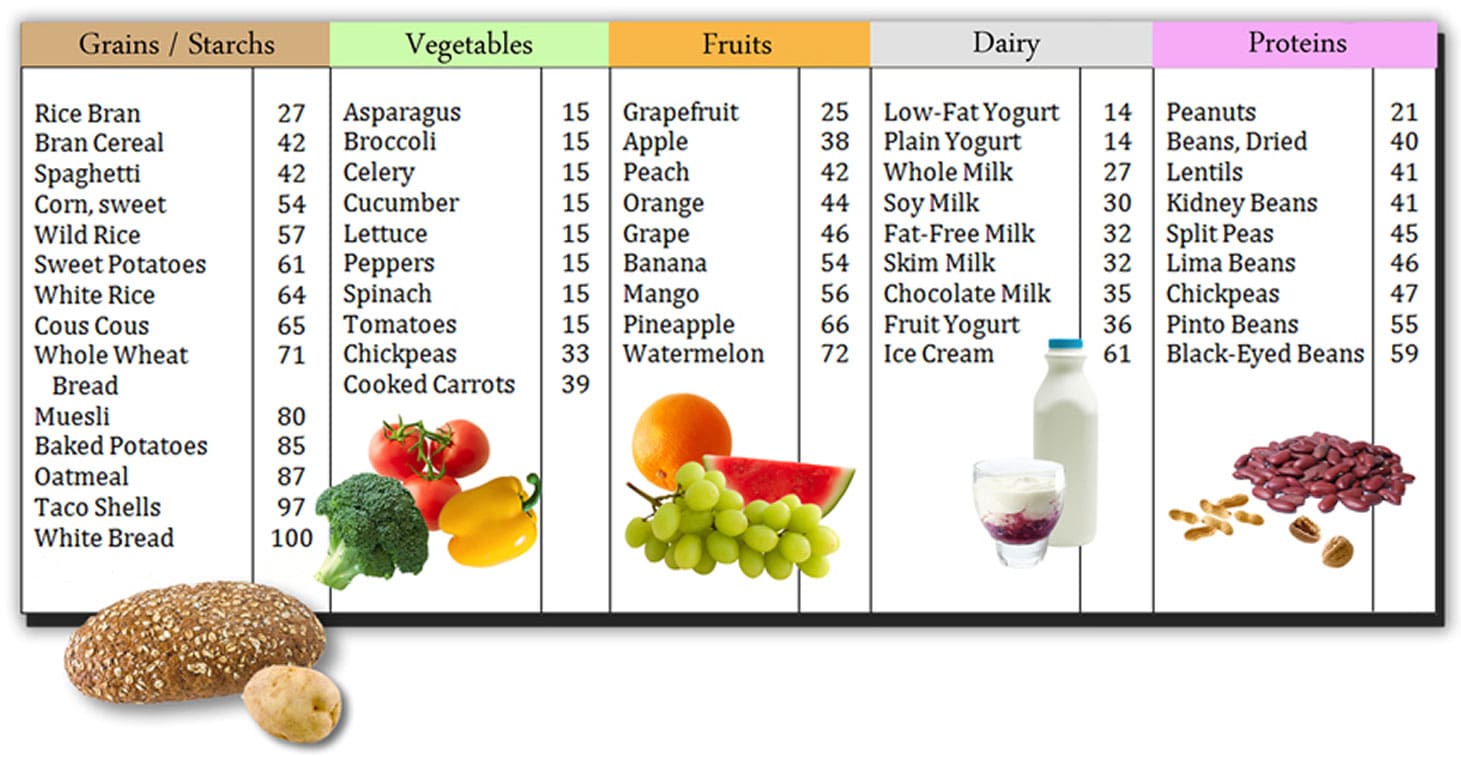
Low GI (<55), Medium GI (56 – 69), and High GI (70>)
Understanding the Glycaemic Index – Your Body’s Fuel-Speedometer
Imagine every carbohydrate has a “speed limit” for how quickly it enters your bloodstream.
That’s essentially what the Glycaemic Index (GI) measures:
- High GI foods behave like sports cars – fast, flashy, but difficult to control.
- Low GI foods are more like steady, reliable cruisers – predictable and easier for the body to manage.
When blood sugar rises too quickly, insulin rushes in to help. But repeated big spikes make the body very efficient at one thing: storing fat.
A low glycaemic meal plan helps bring everything back into balance, not by removing carbohydrates, but by choosing ones your body can use more efficiently.
How Blood Sugar Shapes Fat Loss
Picture this: you eat a bowl of refined cereal. Your blood sugar shoots up. Insulin follows. Soon after, your energy crashes and you find yourself scanning the kitchen for something sweet. This cycle can repeat all day.
Low glycaemic eating interrupts that loop.
By stabilising blood sugar, you create:
✔ fewer insulin spikes
✔ fewer cravings
✔ fewer “energy emergencies”
✔ a hormonal environment that is far more supportive of fat loss
This is why many clients report that after just a few days on a low glycaemic nutrition plan, they feel calmer around food and much more in control.
What a Low Glycaemic Meal Plan Actually Looks Like
Low glycaemic eating is not about restriction, it’s about construction.
Each meal becomes a building block designed for stable, sustained energy.
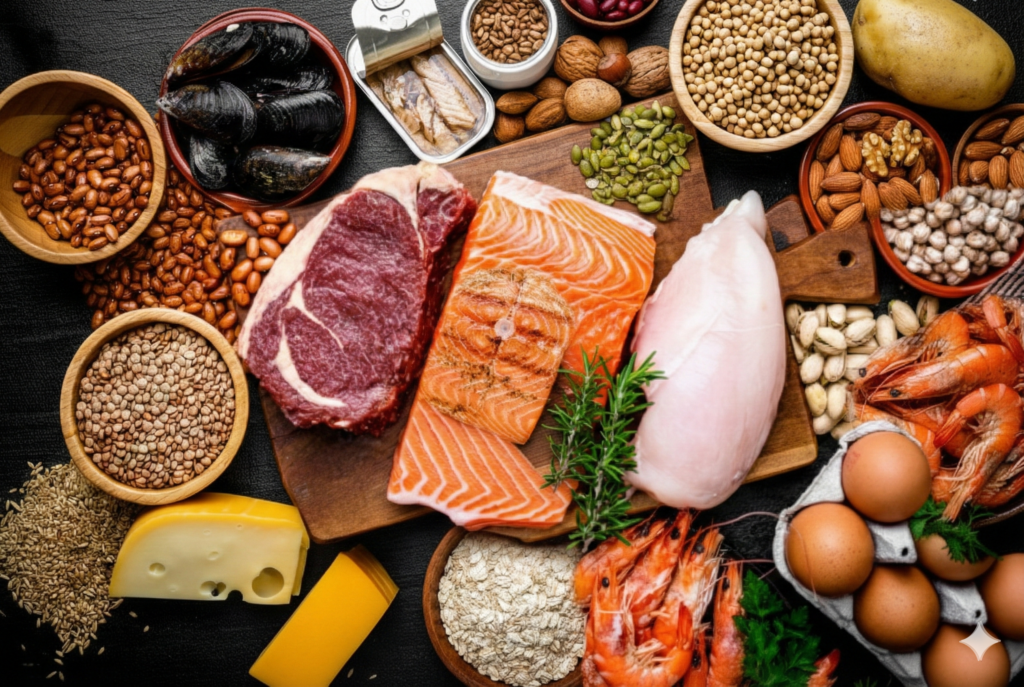
A typical low GI plate includes:
- Slow-digesting carbohydrates
(oats, lentils, whole grains, beans, apples, berries, most vegetables) - A quality protein source
(eggs, poultry, fish, yoghurt, tofu) - Healthy fats
(olive oil, nuts, seeds, avocado) - Plenty of fibre
Carbs are rarely eaten alone, they’re paired with protein and fibre to slow digestion and prolong satiety. This is why clients often describe low glycaemic eating as “The first nutrition plan that didn’t feel like a diet.”
Why Low Glycaemic Eating Reduces Cravings
Cravings are not a character flaw, they’re a chemical signal. High GI meals cause sudden blood sugar peaks followed by steep drops. That drop triggers the brain to search for fast fuel… usually sugar.
Low GI meals release energy gradually, keeping hunger stable.
Many clients notice within just a few days:
- a reduction in evening sugar cravings
- fewer “snack attacks”
- feeling satisfied on smaller portions
- a calmer, more predictable appetite
This consistency makes long-term fat loss easier — not because of willpower, but because the body finally feels steady.
GI vs GL: Why Glycaemic Load Matters
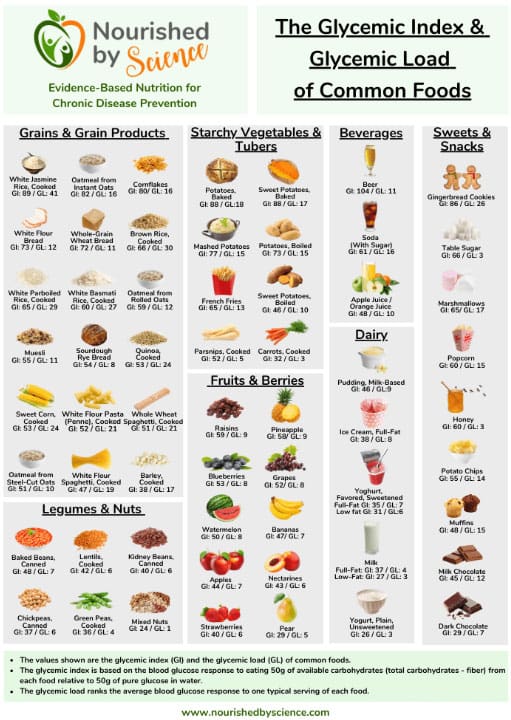
Glycaemic Index tells you the speed at which a food raises blood sugar. Glycaemic Load tells you the speed + quantity.
Watermelon, for example, has a high GI but a low glycaemic load because you would need to eat a lot of it to meaningfully spike blood sugar.
This means a low glycaemic meal plan is not about banning foods — it’s about context, portions, and balance. Perfectly aligned with how real people live.
Breakfast – The Tone-Setter For Your Entire Day
Your morning meal acts like the “first domino” of the day. Start with high glycaemic foods, cereal, toast, fruit juice, and the chain reaction hits quickly: spike, crash, cravings.
Start with low GI + protein and you set yourself up for:
- steadier morning energy
- better focus
- fewer cravings until lunch
Examples:
- Eggs with spinach and cherry tomatoes
- Greek yoghurt with berries and nuts
- Oats with added protein and cinnamon
These breakfasts support metabolism and appetite control, which directly influence fat loss.
Exercise + Low Glycaemic Eating: A Powerful Combination
Resistance training — the foundation of Educogym — increases the body’s ability to use carbohydrates efficiently.
Muscle acts like a sponge for glucose.
When your nutrition supports stable blood sugar, training becomes:
✔ more energised
✔ more productive
✔ easier to recover from
Clients often report that on a low glycaemic plan, they feel stronger and more focused during Time Machine sessions because their energy isn’t crashing halfway through.
Is Low Glycaemic Eating Restrictive? Not at All.
Unlike many diets, a low glycaemic meal plan doesn’t ask you to:
✘ cut carbs
✘ eliminate food groups
✘ count every calorie
✘ follow rigid rules
Instead, it teaches you to work with your body, not against it. It’s flexible, intuitive, and sustainable — ideal for long-term fat loss and long-term health.
Clients often say:
“It finally felt like a way of eating I could see myself doing forever.”
Making Low Glycaemic Eating Practical — The Educogym Way
Low GI eating doesn’t require complicated rules or exotic foods. Simple swaps make a big difference:
- Replace white pasta with whole grain
- Swap sugary cereal for oats
- Add vegetables to every meal
- Include protein every time you eat
And most importantly:
Pay attention to your energy, hunger, and focus after meals. Your body gives feedback, low GI eating helps you hear it clearly.
If you’d like ready-made options, explore our low glycaemic recipes designed specifically to support fat loss and balanced energy.
Supporting Fat Loss With Low Glycaemic Nutrition
A low glycaemic meal plan is one of the most effective and sustainable ways to support fat loss, not by fighting your biology but by aligning with it.
It helps you experience:
✔ stable energy
✔ improved mood
✔ fewer cravings
✔ better appetite control
✔ more productive training sessions
✔ consistent fat loss
At Educogym, we help clients apply these principles through personalised nutrition coaching and science-backed resistance training.If you’d like a plan tailored to your body, lifestyle, and goals, book a free consultation with our team and take the first step toward a more energised, leaner, stronger you.